For many Melbourne divers, catching a legal bag limit of Southern Rock Lobster is the ultimate underwater reward — a practical skill that turns a dive into a meal, and a genuinely exciting hunt in some of Victoria's most beautiful coastal waters. The Southern Rock Lobster (Jasus edwardsii), known universally as crayfish or simply "cray," lives on rocky reefs throughout Port Phillip Bay's outer reaches, Bass Strait, and along the coast from the Mornington Peninsula to the Great Ocean Road.
The honest truth about cray diving near Melbourne is this: a boat makes all the difference. The heavily dived pier sites inside the bay are excellent for critters and photography, but the genuinely productive cray grounds are the deeper, less-pressured reef systems accessible only by boat — particularly the world-class sites clustered around Port Phillip Heads. Getting on a charter, or diving with people who know these reefs, dramatically improves your results.
The Southern Rock Lobster
The Southern Rock Lobster is one of the world's most commercially valuable lobster species. Adults are robust, brick-red to deep orange in colour, with long antennae and a distinctive spiny carapace. They are nocturnal predators and scavengers, spending daylight hours wedged under ledges, inside reef crevices, and within rocky cave systems. At night they move freely across the reef, making them significantly easier to spot.
In Victoria they are found from shallow subtidal zones down to depths of well over 100 metres, though recreational divers typically encounter them between 8 and 25 metres — reef systems completely accessible to Open Water certified divers. Males and females are distinguishable underwater: females have small claws on the last pair of walking legs (used to manipulate eggs), while males do not.
Fishing Authority Requirements
Before entering the water with the intention of catching crayfish, you must understand and comply with Victoria's recreational fishing regulations. These are enforced seriously, and penalties for non-compliance are substantial. Regulations are updated periodically — always verify current rules on the VFA website (vfa.vic.gov.au) before diving.
Recreational Fishing Licence
A valid Victorian Recreational Fishing Licence is required for all divers aged 18 and over who intend to take crayfish. Licences are available from VFA-authorised retailers, Service Victoria online, and many fishing and dive shops. There is no exemption for divers — fishing without a licence underwater is treated identically to fishing without a licence from shore.
Mandatory Catch Reporting
Victoria now requires recreational rock lobster fishers to register their intention to fish before entering the water using the GoFishVicRL app (available on iOS and Android). You must also submit a catch report after each session. Fishing without registering via the app is a separate offence from the licence requirement. Download and set up the app before your first dive of the season.
Season
The recreational season for Southern Rock Lobster opens on 16 November and runs through to 31 May. A separate closure applies to females only from 1 June through 15 November. Taking crayfish — of any sex — before 16 November is illegal. Some additional area-specific closures apply within marine national parks (discussed below).
Bag and Possession Limits
The daily bag limit is two crayfish per person per day. The possession limit is four crayfish while in, on, or adjacent to Victorian waters. You must carry a legal measuring gauge when diving.
Minimum legal sizes differ by sex:
- Males: 110 mm carapace length
- Females: 105 mm carapace length
Carapace length is measured from the front edge of the carapace (behind the rostrum) to the rear edge. Undersized animals must be returned to the reef immediately and unharmed.
Berried Females Are Fully Protected
A female carrying eggs (visible as a dark mass under the tail) must be returned regardless of size or time of year. It is illegal to take, possess, or harm a berried female at any time. Always check the underside of the tail before bagging any female.
Tail-Clipping
Once you land a legal crayfish, you are required to clip the tail fan (uropods) within 5 minutes of capture. This is a fisheries management measure that marks recreationally caught animals and prevents re-sale. The cut is made with scissors or a knife — carry one in your kit.
Permitted Methods
Recreational divers may only take Southern Rock Lobster by hand. The use of spears, hooks, mechanical grabs, or any implement that could injure the animal is prohibited. Reach into a crevice and secure a firm grip behind the carapace — thick gloves are essential for both grip and hand protection against spiny shells and sharp reef edges.
When to Dive
The season runs 16 November through 31 May, but not all months are equally productive. The optimal window for recreational divers is generally March through May — late summer and autumn. Water temperatures are still comfortable (14–17°C), crays are active and at their largest, and conditions around Port Phillip Bay and the Peninsula are often calmer than the depths of winter. The November opening tends to coincide with rougher spring conditions and smaller animals; patient divers who wait until autumn typically find the best combination of size, activity, and diving conditions.
Time of dive matters as much as time of year. Crayfish are most active from sunset through to dawn. A night dive or a very early morning dive dramatically increases your chances — animals that are wedged invisibly under ledges in daylight often walk openly across the reef at night. Many experienced cray divers start at last light and surface in full darkness. For advice on night diving logistics and safety, see our night diving guide.
Tidal timing also helps. The first hour of an incoming tide in the evening is often productive — crayfish become more active around tidal changes. At tidal sites like the Port Phillip Heads reefs, tide timing is also a safety critical factor; always plan your dive around slack water at these high-current sites. Use the Shore Dives scoring tool to check tide timing at your area.
Where to Find Them — Why Boat Dives Win
This is the most important practical point in the guide: the popular pier sites on the Mornington Peninsula bay side — Rye, Blairgowrie, Portsea, Sorrento — are outstanding for critter photography (seahorses, nudibranchs, spider crabs, weedy sea dragons) but are not productive for cray hunting. They are shallow, heavily dived year-round, and do not offer the deep ledge and overhang habitat that crays prefer. If you dive these sites hoping to bag a cray, you will most likely come home empty-handed.
The genuinely productive cray grounds around Melbourne are accessed by boat. Deeper reef systems with less diver pressure, better water clarity from tidal flushing, and more complex ledge structure simply hold more crays — and the best of these sites are within easy reach of Portsea and Queenscliff.
Prime Boat Dive Sites — Port Phillip Heads
The reef systems clustered around Port Phillip Heads — where tidal flow creates clean, nutrient-rich water and complex rocky structure — are the Melbourne area's best cray diving. All of these are boat dives, typically departing from Portsea Pier or Queenscliff Boat Ramp. Slack water is critical at most of these sites; tidal flow through the Heads can be extreme.
12lb Reef
The most iconic name in Melbourne cray diving — literally named after a massive cray caught there. Located in the Lonsdale Bay area near Port Phillip Heads, at 8–20m depth, with overhanging ledges and walls hosting good populations. This is one of the sites regularly featured on charter trips out of Portsea. A mixed-experience dive: excellent for crays, nudibranchs, and colourful invertebrates. Accessible to intermediate divers with good buoyancy at slack water.
Lonsdale Arches
Just outside Port Phillip Heads in Bass Strait, at 12–18m. One of the most frequently cited productive cray spots near Melbourne, with archways and overhangs that provide ideal lobster habitat. Ebb tide only — the arches are accessible when the tide is running out of the bay. This is one of the standout sites for combining quality diving with realistic cray hunting.
Boarfish Reef
Located in Victory Bight near Queenscliff and Point Lonsdale, at 10–25m. A highly regarded reef dive with good cray populations alongside diverse fish life including blue devilfish, leatherjackets, and boarfish. The adjacent Boarfish Reef Drift at 6–32m is an advanced option for experienced divers comfortable with current.
Spec Reef (Spectacular Reef)
Located in the South Channel of Port Phillip Bay at 22–60m, Spec Reef offers sheer walls with large undercuts that house Southern Rock Lobster alongside extraordinary sponge and soft coral growth. This is one of the most visually impressive dives near Melbourne, but the depth makes it an advanced site — the productive cray ledges start at 22m and the wall drops well beyond recreational limits. For experienced divers, this is the kind of boat-access dive that pier diving cannot replicate.
Lonsdale Wall
Running between Point Lonsdale and Queenscliff at 12–38m, the Lonsdale Wall features overhangs and ledges populated with crays and cuttlefish. Kelp forest drift dives along this wall consistently produce lobster sightings. Boat dive only; conditions require careful timing around the tidal cycle.
Easter Bommie and Cray Spot
Further named sites within the Lonsdale reef system, at depths of 12–27m. Easter Bommie is a well-regarded site offered by Scubabo Dive Victoria on their regular charter schedule. "Cray Spot" in Lonsdale Bay is aptly named and a regular inclusion on cray-specific charters from Queenscliff.
Outer Mornington Peninsula — Advanced Sites
For experienced divers willing to deal with more exposed conditions, the outer (ocean-facing) coast of the Mornington Peninsula offers productive cray diving at dedicated named sites. These are weather-dependent, and the conditions required — calm swell, light wind — occur less frequently than inside the bay.
Cape Schanck Cray Reef
A named cray diving site on the VFA's own location recommendations list — one of only three sites the VFA specifically highlights for rock lobster diving in Victoria. Located at 6–20m off Cape Schanck, boat access, advanced rating. The coastline between Cape Schanck and Flinders holds some of the most dramatic reef structure accessible to Melbourne-area divers.
Flinders Cray Reef
Another dedicated cray site, at 6–20m offshore from Mushroom Reef Marine Sanctuary near Flinders on the Bass Strait coast. Boat access, advanced rated. The broader Flinders–Cape Schanck coastline is described by experienced local divers as offering "drop-offs, walls, huge bommies, seals, crayfish, and clear ocean water" — a combination that makes it among the most rewarding diving on the entire Peninsula.
Back Beach Reef Systems
The back beaches of the Mornington Peninsula — from Portsea back beach through to Cape Schanck — hold reef systems with good cray populations, including historic shipwrecks that provide additional hard structure. Shore access is theoretically possible but genuinely hazardous; these beaches require multiple days of negligible swell and are not suitable for anchoring boats. Conditions meeting the required standard are rare. Treat back beach diving as a bonus opportunity when conditions are exceptional, not a regularly plannable trip.
Phillip Island and Western Port
Phillip Island Cray Reef and Cape Woolamai
Cape Woolamai on Phillip Island's southeastern tip is a confirmed and productive cray diving site. The reef here features massive boulders, swim-throughs, and dramatic ledges and overhangs — ideal lobster habitat in 12–15m of water. The adjacent Phillip Island Cray Reef, located just off Cape Woolamai's tip, is a dedicated boat dive cray site at 6–20m. For Melbourne divers prepared to make the trip to Phillip Island (around 90 minutes from the city), this is a genuine alternative to the Heads sites with less diving pressure.
Western Port Bay more broadly does hold Southern Rock Lobster around rocky reef areas near Kilcunda and the Punch Bowl, but the bay's generally murkier water and siltier substrate make it less productive than Bass Strait reef systems.
Great Ocean Road
For divers willing to travel further, the reefs along the Great Ocean Road offer productive cray diving with significantly less pressure than the Melbourne-area sites. Apollo Bay is the practical hub — it has boat ramp access and is surrounded by reef systems that support a substantial commercial rock lobster fishery, which speaks to the population density.
Further west, the Cape Otway coastline has sites including Crayfish Bay (named for the species) and Blanket Bay, both shore accessible at 1–10m, though exposed and rated advanced. Around Portland, sites near Lady Julia Percy Island and Cape Nelson offer excellent cray diving for those who venture that far.
Important: Point Addis Marine National Park — located between Torquay and Anglesea — is a fully protected no-take zone. Research conducted within the park found over 3.5 times more rock lobsters than in adjacent fished areas, which is compelling evidence of how quickly populations recover without pressure. You may see crays here, but taking them is illegal. Ingoldsby Reef, just outside the park boundary off Anglesea, is described as "teeming with crays and blue devils" and can be reached by boat from Torquay — but confirm you are outside the park boundary before taking anything.
Organised Cray Diving Charters
Getting on a charter is by far the most effective way to start cray diving productively near Melbourne. Charter operators know exactly which sites are producing at a given time of season, have the local knowledge to read reef structure, and reach boat-only sites that are otherwise inaccessible. The gap in results between a guided boat dive to 12lb Reef and a solo pier night dive is not marginal — it is substantial.
Scubabo Dive Victoria — Queenscliff
Based at Queenscliff Harbour (37 Learmonth Street), Scubabo is the most explicitly cray-focused charter operator near Melbourne. Their charter schedule lists dedicated cray dives alongside drift dives, wreck dives, and scallop dives, visiting sites including Easter Bommie, Boarfish Reef, and the Lonsdale reef system. Departures from both Queenscliff and Portsea Pier. Phone: (03) 5258 1188. Check their website for current cray dive dates.
The Scuba Dive Shop (The Scuba Doctor) — Rye and Portsea
Operating out of Rye (Peninsula Ave) and running boat charters from Portsea Pier, The Scuba Dive Shop runs scheduled cray charters to sites including 12lb Reef. They also maintain a comprehensive Melbourne Cray Dives resource covering GPS coordinates and site conditions for named cray spots around the Heads. Phone: (03) 5985 3322.
Bayplay Dive Resort — Portsea
Located at 3755 Point Nepean Road, Portsea, Bayplay operates the Dragon Wagon boat charters covering over 60 dive spots in Port Phillip Bay and outside the Heads, departing from Portsea. They list cray site access on their charter programme alongside wreck and reef dives. A PADI resort with training facilities, well suited for divers who want to combine skill development with productive site access.
Diving with Experienced Locals
Beyond formal charters, Melbourne's diving community has an active culture of knowledge-sharing. The Melbourne Scuba Divers Facebook group regularly sees experienced cray divers inviting others to join planned trips during the season. This is an excellent way for newer divers to experience productive sites alongside people who know them well. Ask questions, be respectful of local knowledge, and offer to contribute to the group as your own experience grows. A successful cray dive followed by a shared meal is one of Melbourne diving's better traditions.
Technique and Equipment
Essential Equipment
- Dive torch: Mandatory for night dives; highly recommended even in daylight to illuminate ledges and crevices. A primary torch with good throw and a backup are both recommended for night dives.
- Catch bag: A mesh bag with a secure closure — drawstring or clip — worn on the wrist or clipped to your BCD. Avoid bags that can snag on reef.
- Measuring gauge: Legally required when taking crayfish. Keep it accessible — clipped to your BCD or tucked into a wetsuit pocket.
- Scissors or knife: For the mandatory tail-clipping requirement within 5 minutes of capture.
- Gloves: Thick neoprene or reinforced gloves for grip and hand protection against spiny shells and sharp reef edges.
- Wetsuit or drysuit: A 7mm wetsuit minimum for autumn dives; a drysuit for comfort on extended night dives or cooler outer coast water. See our cold water diving gear guide.
Finding and Catching Crays
The hunt begins with reef reading. Look for ledges, overhangs, and crevices that are wide enough for a lobster to sit comfortably and dark enough to feel secure. Shine your torch into gaps before reaching in. Two features give away a hiding cray: the distinctive red-orange carapace reflecting torchlight, and long white antennae extending from the entrance of a crevice. The antennae are often visible even when the body is deeply recessed.
Approach slowly from the front. A threatened cray will drive itself backwards with powerful tail flicks — once it retreats deeply into a crevice, extraction becomes very difficult. Reach in decisively, securing a grip behind the carapace from above with your palm facing down. Do not grab by the antennae or legs, which can be shed. Pull firmly but smoothly; a cray that cannot gain purchase against the rock will come out cleanly.
Measure before bagging. Hold the animal steady, place the gauge across the carapace, and confirm it meets the legal minimum for its sex (110mm male, 105mm female). Check the underside of the tail for eggs on any female. An undersized or berried animal goes back immediately, gently, into the crevice.
Other Dive Fishing Opportunities
The same reefs that hold crayfish are home to other legally harvestable species, and Victoria's coastal waters offer several other rewarding dive fishing experiences alongside or instead of cray hunting.
Scallop Diving
A small recreational scallop fishery remains in Port Phillip Bay, with a bag limit of 20 scallops per person per day (verify current VFA rules and area-specific closures before diving, as these change). Scallop dives are done differently from cray hunting — sandy or shell-grit bottom in 5 to 15 metres rather than reef, methodical searching of the flat rather than peering into crevices. The southern bay near Mornington and Rye has historically been productive. Scubabo Dive Victoria also runs dedicated scallop dive charters from Queenscliff, which are a good introduction to this style of dive fishing.
Abalone
Blacklip Abalone (Haliotis rubra) are present on rocky reefs along the outer Mornington Peninsula and the Great Ocean Road. However, recreational abalone collection in Victoria is subject to significant restrictions — much of the coastline accessible from Melbourne, including all of Port Phillip Bay, is permanently closed to recreational taking. Some areas along the Otway coast and further west remain open with a bag limit and minimum size. Always verify the current open/closed area maps on the VFA website before any dive where you intend to collect abalone — penalties for taking abalone in a closed zone are severe, including forfeiture of equipment.
Sea Urchin Removal
The long-spined sea urchin (Centrostephanus rodgersii) is an invasive species spreading south from NSW along Victoria's coast. Where populations establish, they create "urchin barrens" — reef stripped of all kelp and invertebrate life. There is no bag limit on Centrostephanus in Victoria and their removal is actively encouraged by fisheries managers. They are edible, with roe prized in Japanese cuisine (uni), and removing them while diving contributes positively to reef health. Distinguish them from native species by their noticeably longer, thinner spines and their association with barren reef zones.
Spearfishing
Spearfishing for finfish is legal in Victoria subject to standard size and bag limits, a Recreational Fishing Licence, and area restrictions (not within 200 metres of a public pier or boat ramp, or within marine national park boundaries). Greenback flounder are commonly encountered on sandy bottom between reef systems throughout the bay. Spearfishing requires a separate Speargun Licence issued through VicPol — this is not included in the standard Recreational Fishing Licence and requires a separate application.
Planning Your Cray Dive
Conditions
For boat dive sites at the Heads, calm conditions are essential — both for safety on the water and for dive quality. Check swell, wind, and tidal timing carefully. The Heads sites require slack water; the Lonsdale Arches, for example, are ebb-tide-only dives. Use the Shore Dives scoring tool to check bay conditions and plan accordingly.
Before You Enter the Water
- Register your fishing intention on the GoFishVicRL app
- Confirm your Recreational Fishing Licence is current
- Measuring gauge clipped to your BCD
- Catch bag rigged and accessible
- Scissors or knife for tail-clipping
- Torch charged and tested (backup torch tested too for night dives)
- Wetsuit appropriate for the water temperature
After the Dive
Submit your catch report on the GoFishVicRL app immediately after the dive — this is a legal requirement, not optional. Southern Rock Lobster is best cooked the same day. The traditional approach is simple: split the cray lengthwise, brush with garlic butter, and grill on a hot barbecue for four to five minutes. Keep live animals cool and moist in a damp hessian bag or esky with damp newspaper — not submerged in fresh water, which kills them quickly.
A Skill Worth Learning
Cray diving sits at the intersection of sport, skill, and reward that few diving activities can match. The combination of the night hunt, working within strict and important regulations, the complexity of reading reef structure, and the undeniable reward of bringing home a legal bag limit makes it one of the most compelling reasons to dive Victoria's reefs. Getting on a charter to the Heads sites is the fastest way to learn — a single trip with an experienced guide to 12lb Reef or Lonsdale Arches will teach you more about finding and catching crays than a dozen independent pier dives.
It is a tradition that Melbourne divers have practised for generations. Done with respect for the regulations and the animals, the reefs will continue to support it for generations to come.
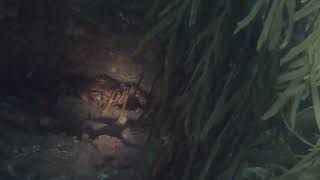
Watch: Looking for Cray in Melbourne
See what cray diving in Port Phillip Bay actually looks like underwater — searching reef ledges and crevices at night.
Browse Boat Dives for charter operators running cray dive trips this season, or use the Shore Dives scoring tool to check conditions at bay sites before heading out.